RAISING PEACEFUL & COMPASSIONATE CITIZENS
“[H]istory should not be taught as a collection of dates and places. But rather be approached to arouse gratitude and appreciation. This gratitude should be aroused first to the law and order of the universe and the preparation of the environment into which human beings came.”
– Dr. Maria Montessori
November brings with it a beautiful invitation to slow down, reflect, and notice the goodness that surrounds us. As the season of gratitude unfolds, we are reminded that thankfulness is more than something we express around the Thanksgiving table. It is something we can nurture in our children every day, through simple moments of connection, kindness, and care.
At Wild Roots Holistic Learning Center, we believe that gratitude is not simply something children are taught to say. It is something they learn to *feel, experience, and practice.*
Gratitude Through the Montessori Lens
In the Montessori learning environment, gratitude is deeply connected to **peace education and the practice of grace and courtesy.** These foundational principles help children develop respect for themselves, for others, and for the world around them.
Through everyday experiences, children begin to understand that their actions have an impact on the people and environment around them. A child who helps a friend carry a heavy basket, carefully tends to a classroom plant, or offers a comforting hand to someone who is upset is practicing something much greater than good manners. They are developing empathy, compassion, and an awareness of their place within a community.
Gratitude Through the Reggio-Emilia Lens
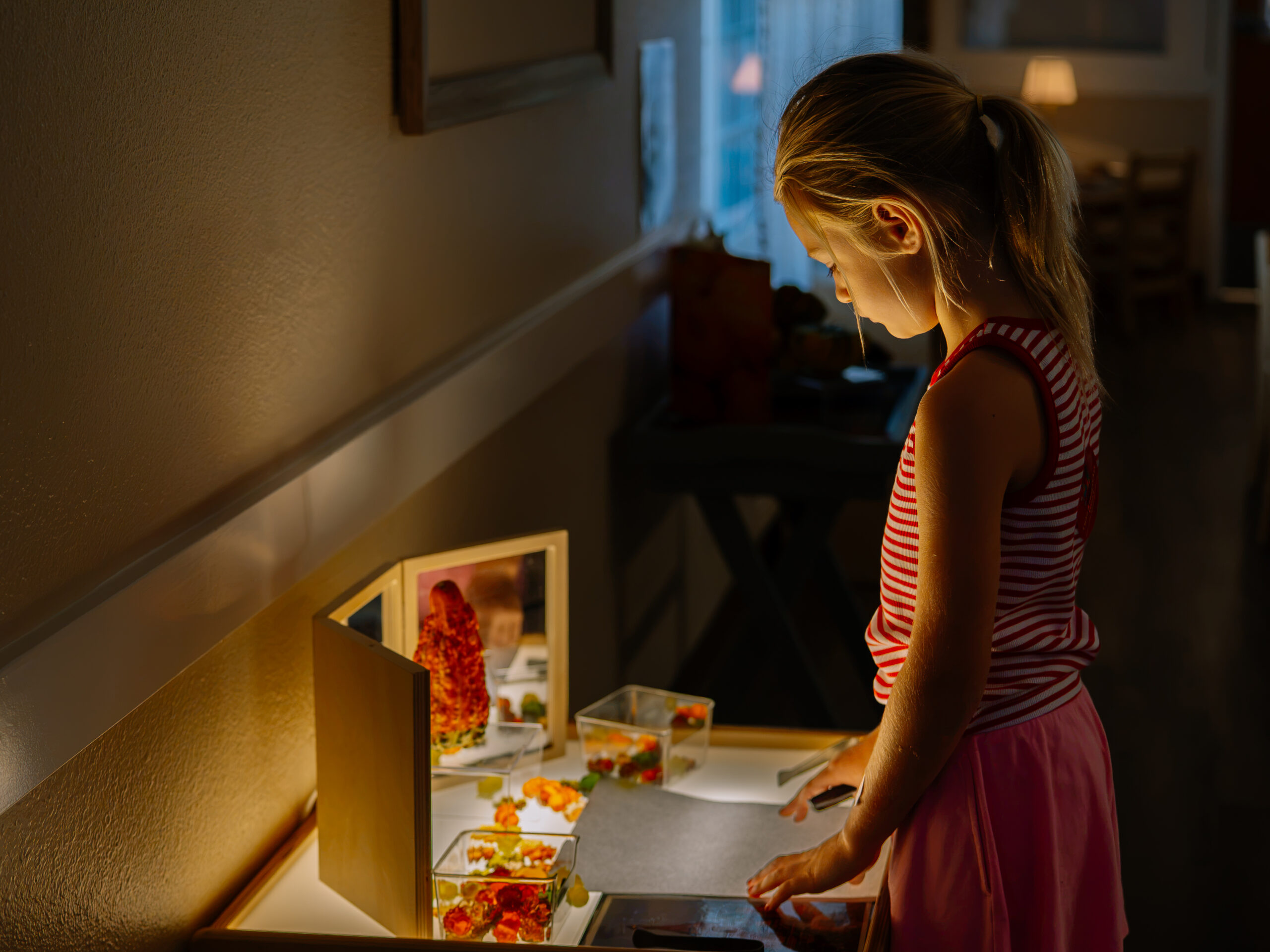
In the Reggio Emilia approach, gratitude is carefully nurtured through relationships, meaningful experiences, and a deep connection to the world around us. Rather than teaching gratitude as simply saying “thank you,” we create opportunities for them to experience appreciation, kindness, and belonging.
Whether it’s caring for a classroom garden, collaborating on a project with friends, or taking the time to see the beauty of their natural world, children discover that there is much to appreciate in the everyday. The Reggio Emilia philosophy encourages us to slow down and see the world through a child’s eyes, finding wonder in the smallest details and recognizing the value of each person’s contributions. Through these experiences, children begin to understand that they are part of a larger community—one where kindness is shared, relationships are valued, and everyone has something meaningful to offer.
Gratitude grows naturally when children feel connected—to one another, to their environment, and to the world around them.
Why Gratitude Matters in Early Childhood
Research suggests that regularly practicing gratitude is associated with greater happiness, stronger relationships, and increased kindness and generosity. While young children are still developing the emotional awareness needed to fully understand gratitude, the foundations can be established early.
For a toddler, gratitude might look like a joyful smile when a friend shares a toy. For a primary-aged child, it may be recognizing the thought and care someone put into preparing a meal. These seemingly small experiences help children begin to recognize the kindness they receive and discover the joy of extending that kindness to others. And perhaps most importantly, gratitude encourages children to look beyond themselves—to truly notice the people, places, and experiences that make their world meaningful.
Little Ways to Grow Gratitude at Home
The beautiful thing about gratitude is that it doesn’t require elaborate activities or perfectly planned lessons. Often, the most meaningful opportunities are woven into the rhythms of everyday family life.
1. Let Them See Gratitude in Action
Children learn so much simply by observing the adults around them. Express appreciation openly and specifically. Instead of a quick “thank you,” try saying, “Thank you for helping me put the groceries away. That made our afternoon easier!” When children hear genuine expressions of appreciation, they begin to understand the meaning behind the words.
2. Make Room for Little Acts of Kindness
Invite your child to participate in caring for others. This might mean helping prepare a meal for a neighbor, gathering gently used toys to donate, or making a handmade card for someone who could use encouragement. These experiences show children that even the smallest hands can make a meaningful difference.
3. Give With Intention
When selecting a gift for a friend or family member, involve your child in the process. Ask questions like, “What do you think Grandma would enjoy?” or “What could we make that would bring a smile to your friend’s face?” Shifting the focus from receiving to giving helps children consider the feelings and interests of others.
4. Create a Family Gratitude Jar
Find a jar, a basket, or a small box and make it a special place for collecting moments of thankfulness. Throughout the month, invite family members to write or draw something they appreciate. Younger children can dictate their thoughts while an adult writes them down. At the end of the week, gather together and revisit these little moments. You may be surprised by what your child takes notice of: a favorite snack, a butterfly in the garden, or even an afternoon spent just being together.
5. Practice the Art of Noticing
Gratitude begins with awareness. During a walk, pause to admire the changing leaves. Notice the warmth of the sunshine, the sound of birds, or the beauty of a flower growing along the sidewalk. Try asking, “What was something beautiful you noticed today?” or “What made you smile? These gentle invitations encourage children to slow down, observe, and find joy in the ordinary.
Beyond “Please” and “Thank You”
As adults, we naturally want our children to develop good manners. We remind them to say “please,” encourage them to say “thank you,” and celebrate when they remember on their own. But gratitude is about so much more than polite words.
A child may not always remember to say thank you, and that doesn’t necessarily mean they aren’t grateful. Young children are still learning how to recognize and communicate their emotions. Rather than focusing solely on the words, we can help children connect with the feeling behind them. When someone does something kind, we might ask, “How did that make you feel?” or gently observe, “Your friend noticed you needed help. That was thoughtful of them.” By giving children the space to recognize kindness in their own way, we help gratitude become something authentic rather than simply expected.
Growing Together, One Small Moment at a Time
As we move through this season, our hope is that gratitude becomes more than a November tradition. We hope it becomes a way of seeing the world—one that encourages our children to approach life with curiosity, compassion, and appreciation.
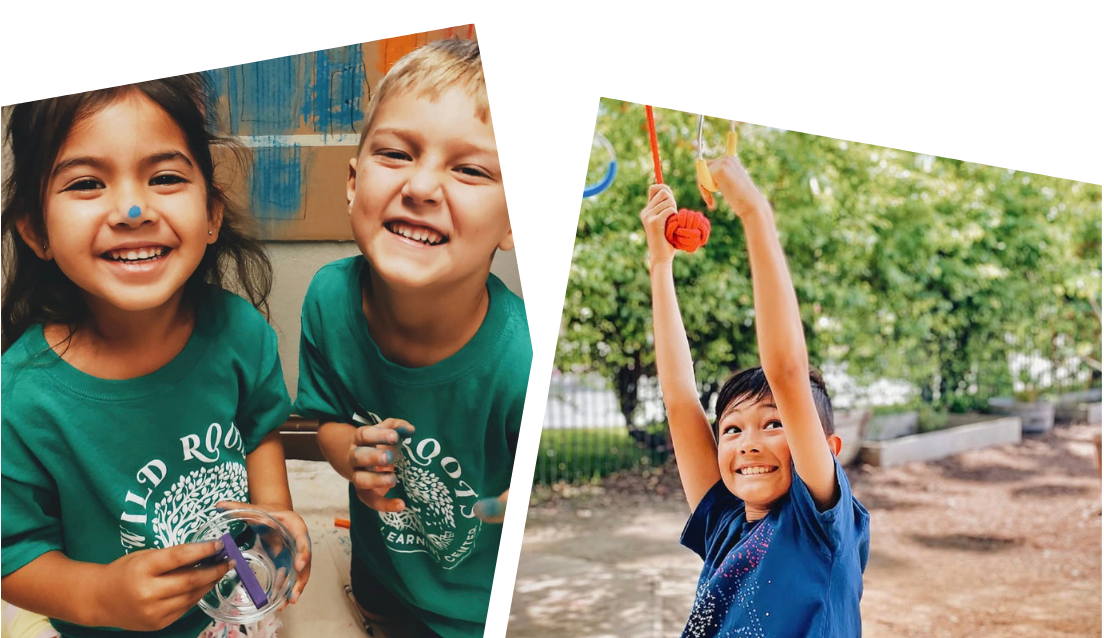
At Wild Roots, we see these seeds of gratitude taking root every day: in a shared material, a helping hand, a moment of wonder outdoors, or a child proudly caring for their classroom community.
And while these moments may seem small, they are helping shape something extraordinary. Children who learn to see kindness are also learning how to create it.
This November, may we all find opportunities to slow down, appreciate the little things, and remember that grateful hearts are grown through the simplest acts of love and connection.
From our Wild Roots family to yours, we wish you a season filled with warmth, connection, and meaningful moments of gratitude!
0 Comments